
Does TMS Hurt? Is It Painful?
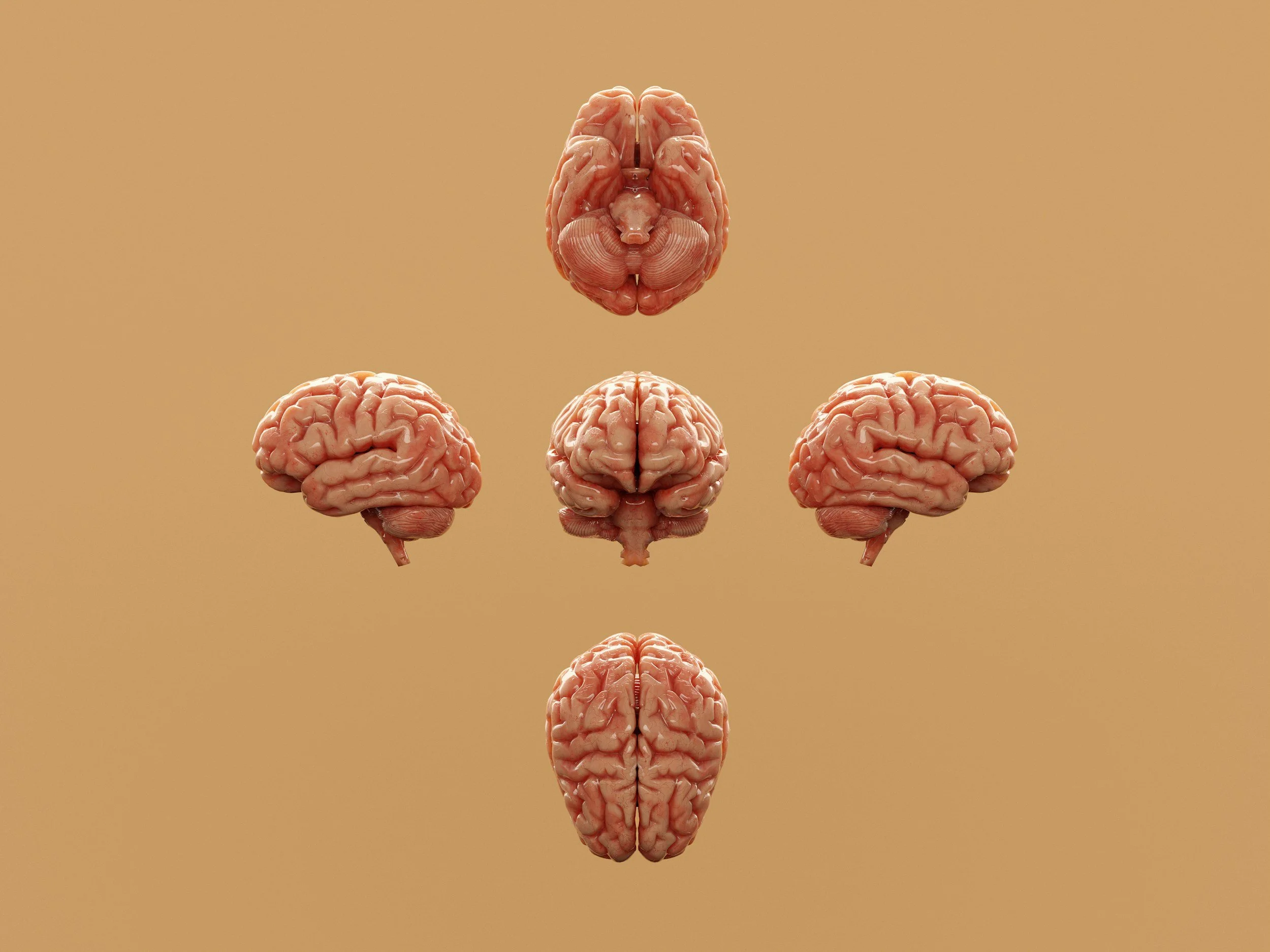
Generally, no, TMS therapy does not hurt. While ‘Transcranial Magnetic Stimulation’ may sound scary, it is a perfectly safe and well-studied treatment. Most patients feel nothing at all during TMS therapy, while some experience mild tingling, tapping, or twitching sensations that go away at the end of each treatment; each treatment only takes about 15 minutes.
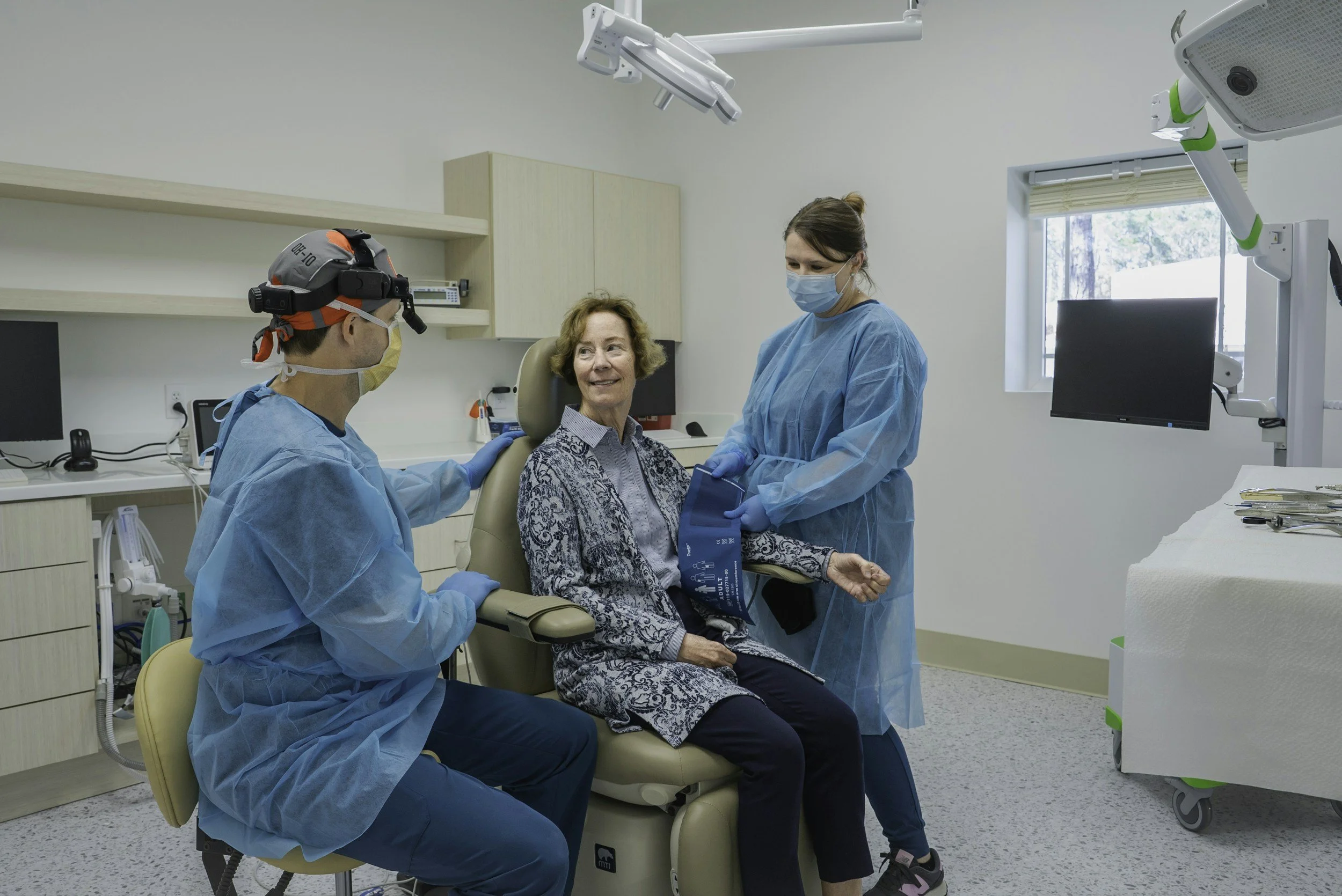
TMS works by using electromagnetic pulses to stimulate nerves in your brain, helping alter the function of brain areas responsible for mood regulation. While we use the word ‘electromagnetic,’ we assure you that the patient does not receive any electric shocks. Electricity is used in the wand device to create a magnetic field, which is then held over your head. This magnetic field then stimulates a response in your brain similar to a muscle twitch. In fact, most people experience fewer side effects from TMS therapy than they do from traditional antidepressants.
How Does It Feel?

Transcranial Magnetic Stimulation (TMS) therapy is generally well-tolerated and most people do not find it painful. However, everyone's experience is different. You might feel a tapping sensation on your scalp where the magnetic pulses are delivered. Some people also report a mild pain or slight discomfort during or after the session, but these side effects are usually temporary and subside after the first few sessions.
What If I Find It Painful?
While TMS is painless for a vast majority of patients, there are a small number of individuals who do not tolerate the treatment. If we begin treatment and you find it painful, the doctor can adjust the intensity level to make it more comfortable. If that doesn’t help, feel free to request a remapping, as adjusting the location of the device may also bring relief. Ultimately, if you find the treatment intolerable, you have every right to opt out; your wellbeing is the priority, and while we believe in the long-term benefits of TMS therapy and encourage you to see it through, we understand it may not be right for everyone. If you want to stop your TMS treatment, let the doctor know at any time.
See What Sets Us Apart
Proven Results
In an independent, randomized, controlled trial funded by the NIMH, patients treated with NeuroStar Advanced Therapy were four times more likely to achieve remission compared to those receiving a sham treatment. Significant improvement from baseline with NeuroStar Advanced Therapy was observed as early as 2 weeks after treatment and continued through 4 and 6 weeks (P=0.0006).
The only TMS treatment with demonstrated durability in depression through 1 year
In a naturalistic clinical study in 257 patients who did not benefit from antidepressant medications, NeuroStar offered durable effect over 1 year following acute treatment.
References:
Avery, et al. (2008). Transcranial Magnetic Stimulation in the Acute Treatment of Major Depressive Disorder: Clinical Response in an Open-Label Extension Trial. J Clin Psychiatry, 69(3):441-451.
Dunner DL, et al. (2014) A Multisite, Naturalistic, Observational Study of Transcranial Magnetic Stimulation (TMS) for Patients with Pharmacoresistant Major Depression: Durability of Benefit Over a One-Year Follow-Up Period. J Clin Psych, 75(12):1394-1401.
